Acres — a land underwriting tool that fits in a pocket.
A new mobile and web product for rural-land investors: tap any parcel in the United States, get the comps, soils, and valuation context you need to decide whether to make an offer.
- Client
- AcreTrader
- Year
- 2022 – 2023
- Role
- Tech lead, via Lofty Labs
- Outcome
- Shipped to App Store & Play Store
“From spreadsheet underwriting to tap-and-evaluate.”
The situation
AcreTrader is the marketplace that made rural farmland investable for non-farmer buyers. By 2022 their land team was sourcing and underwriting deals at a pace their tooling couldn't keep up with — spreadsheets, county GIS portals, and a small mountain of PDFs. They wanted a real product instead. Not just an internal admin, but a public-facing app that any serious land investor could pick up and use.
That meant building Acres: a mobile-first underwriting tool covering every parcel in the country, with the kind of tactile, map-driven UX that people expect from Zillow but had never existed for rural land.
What I built
I led the engagement as tech lead through Lofty Labs, partnering with AcreTrader's product team to take Acres from a blank Figma file to a launched app on iOS, Android, and the web. I owned the architecture, made the core product calls with their leadership, and shipped alongside a small team of engineers and designers.
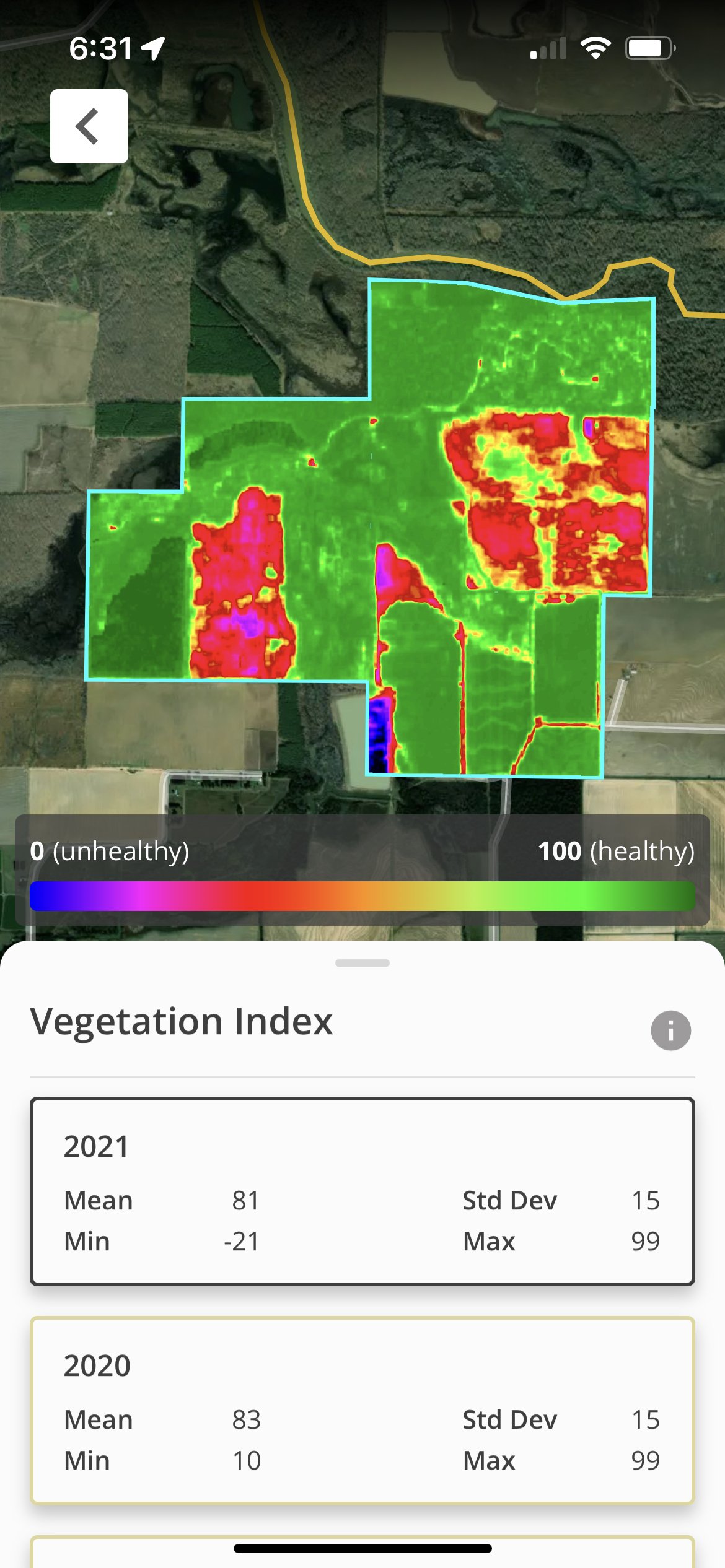
The work that mattered most was unglamorous: assembling a national parcel dataset that was actually trustworthy. Every county in the US publishes parcel boundaries and ownership in a different format, on a different cadence, with different levels of accuracy. We built the ingestion, normalization, and serving layer that turned that mess into a single map you could pan across without seams — then layered on soils, comparable sales, and valuation context so a user could go from an idle tap on a section of Iowa farmland to a defensible underwriting opinion in under a minute.
On top of that we shipped a React Native app that felt native on both phones, a React web companion that mirrored it, and a Django + GraphQL backend serving parcel and valuation data fast enough that the maps actually felt good to use in the field.
What changed
Acres shipped to the App Store and Play Store and went into production use by AcreTrader's own land team and by outside investors. It collapsed a workflow that used to be a half-day of spreadsheet-and-PDF assembly into a tap on a map — and gave AcreTrader something that hadn't existed in the rural-land category before: a real product, not just a marketplace.
I'm available for a small number of senior engagements per year — usually as a tech lead on a new product or a rescue. If you're sizing one up, get in touch.
Start a conversation →